Flexible
The SLS 3D-printing process delivers a new level of design freedom, enabling highly complex geometries and a wider choice of materials for functional applications.

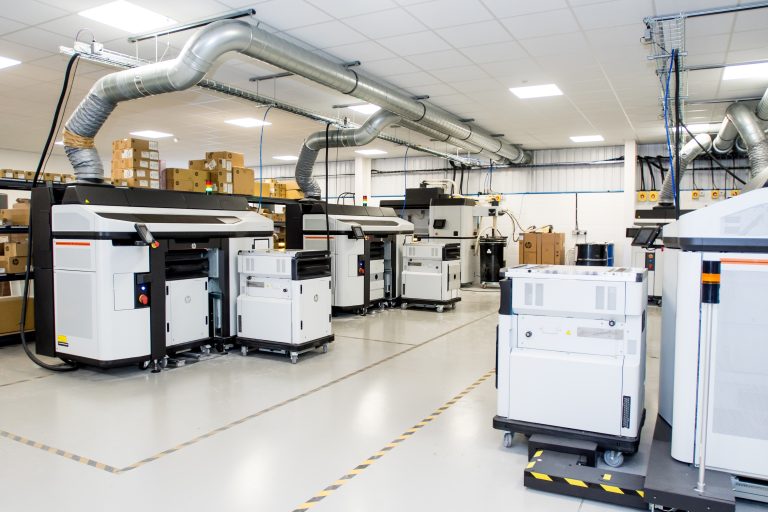
SLS 3D printing is a proven additive manufacturing technology for producing durable, functional components with excellent mechanical properties. AMufacture partners benefit from one of the most advanced selective laser sintering fleets in the UK. That means more design freedom, consistent performance and scalable production without tooling.
The SLS 3D-printing process delivers a new level of design freedom, enabling highly complex geometries and a wider choice of materials for functional applications.
SLS can produce durable, load-bearing nylon components with stable mechanical properties, ideal for production at scale, not just prototyping.
By packing multiple parts into a single build volume and harnessing our Digital Warehouse infrastructure, SLS unlocks efficiency gains that repeat with each production cycle.
AMufacture embeds digital manufacturing into your workflow, enabling end-to-end visibility, rapid repeatability and agile, collaborative design optimisation.
Selective Laser Sintering (SLS) is a powder bed fusion process that uses a laser beam to selectively fuse powdered materials layer by layer. Unlike other non powder bed 3D printing technologies, SLS does not require support structures, as surrounding loose powder supports the part during the build.
This makes SLS particularly suited to functional prototypes and end-use components where strength, chemical resistance and design freedom are critical. It is widely used across industries that demand reliable, repeatable performance from additive manufacturing technology.
SLS is often compared with processes such as selective laser melting (SLM) and direct metal laser sintering (DMLS). However, these are typically used for metals. SLS, by contrast, focuses primarily on polymer powder materials such as nylon.
One of the key advantages of SLS printing is its proven performance in creating complex, robust, production-ready parts.
While it is slower than comparable technologies such as Multi Jet Fusion (MJF), it remains highly efficient and cost-effective for low- to medium-volume production runs. With AMufacture’s digitally enabled manufacturing embedded into your workflow, it becomes an integrated capability in a resilient, future-proofed supply chain – an on-demand tool for rapid iteration, repeatable production and operational continuity.
SLS 3D printing requires no support structures, enabling internal channels, lightweight lattice structures and other highly complex geometries. For you, that means easier problem-solving, accelerated innovation and less reliance on post-processing.
Manufacturers trust SLS for its repeatability and proven mechanical performance. It produces durable nylon components that are suitable for load-bearing applications, supporting a seamless transition from prototyping to end-use production.
SLS supports a range of engineering-grade materials tailored to specific mechanical, thermal and environmental requirements, enabling manufacturers to match material performance to real-world operating conditions.
With SLS 3D printing, multiple parts can be packed into a single build volume, keeping part costs consistent and supporting scalable, low-to-medium volume production without tooling constraints.
AMufacture is the leading contract manufacturer in the additive manufacturing sector. We are not just production partners, we are true collaborators, integrating seamlessly into your workflow to enable rapid, repeatable production at scale.
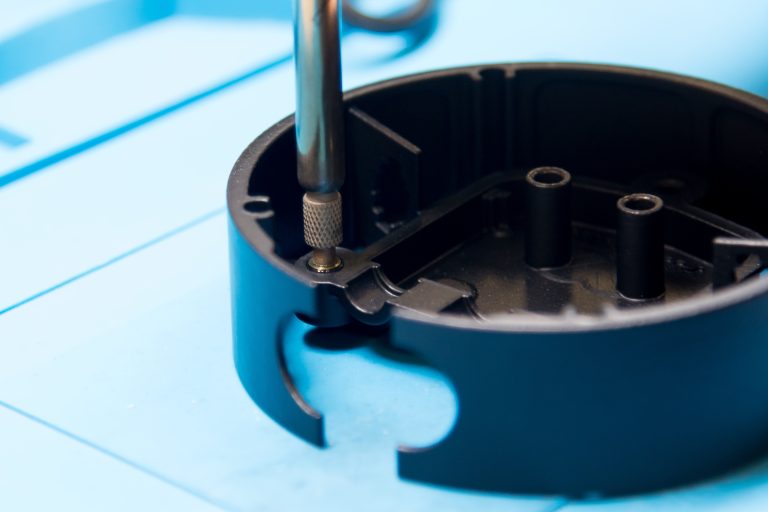
From design optimisation to finishing and fulfilment, we work as an extension of your team, helping streamline workflows, accelerate development and ensure consistent, production-ready outcomes.
AMufacture combines deep additive manufacturing expertise with advanced production infrastructure. We are constantly improving our capabilities to deliver more value and more flexibility, faster.
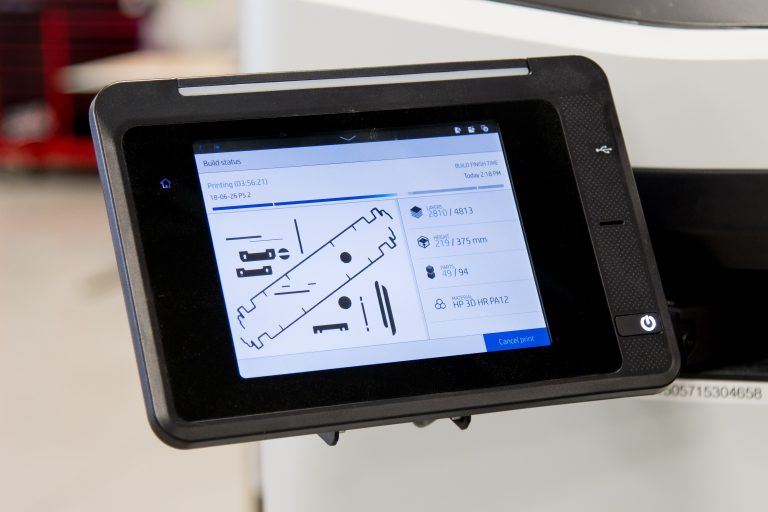
Our purpose-built digital infrastructure allows for real-time production visibility, agile collaboration and seamless repeat ordering through an IP-secure Digital Warehouse. For our partners, it becomes a single source of truth through every stage of production.
SLS parts are production-ready straight from the build. However, post-processing can enhance both performance and appearance. SLS parts often have a rough, grainy surface finish and internal porosity, which may require post-processing to achieve a smooth finish or waterproofing.
As your end-to-end production partner, AMufacture offers a wide range of in-house finishing and assembly services to ensure optimal real-world performance.
For SLS components, the most beneficial secondary options include:
These processes allow SLS parts to integrate seamlessly into larger assemblies or end-use applications.
FDM 3D printing supports manufacturers across industries where durability, rapid iteration and cost-efficient production are critical.
With AMufacture as your partner, additive manufacturing becomes a scalable capability embedded directly into your workflow.
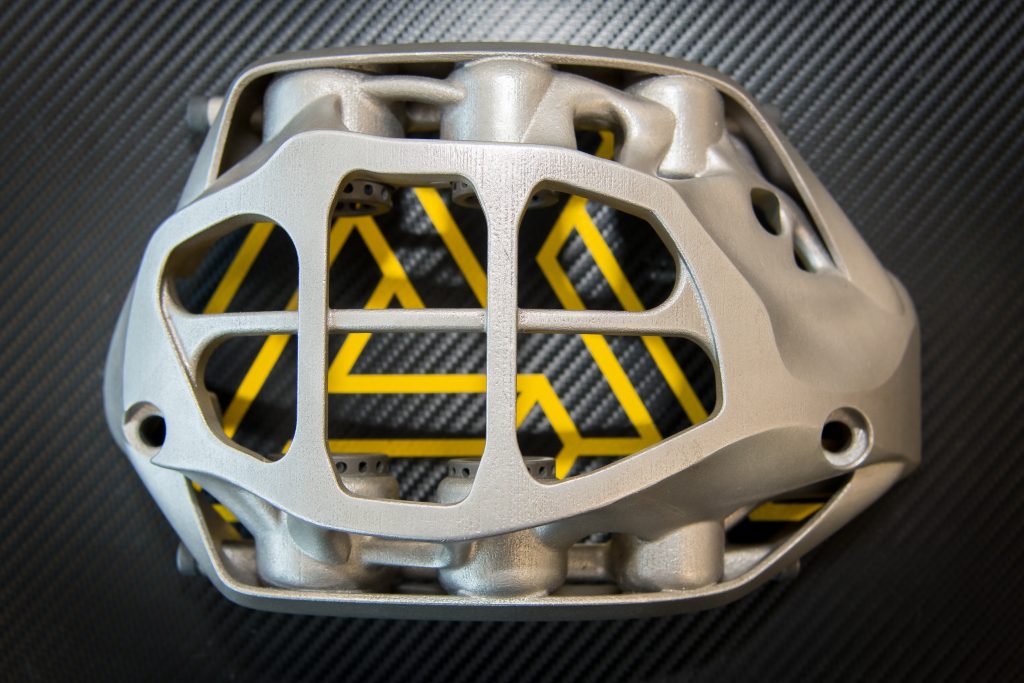
Durable tooling, ducting and prototypes for agile automotive development
Key applications: HVAC ducting, jigs, fixtures, interior components, housings

Lightweight thermoplastic components and tooling for aerospace manufacturing workflows
Key applications: tooling, brackets, prototypes, interior assemblies
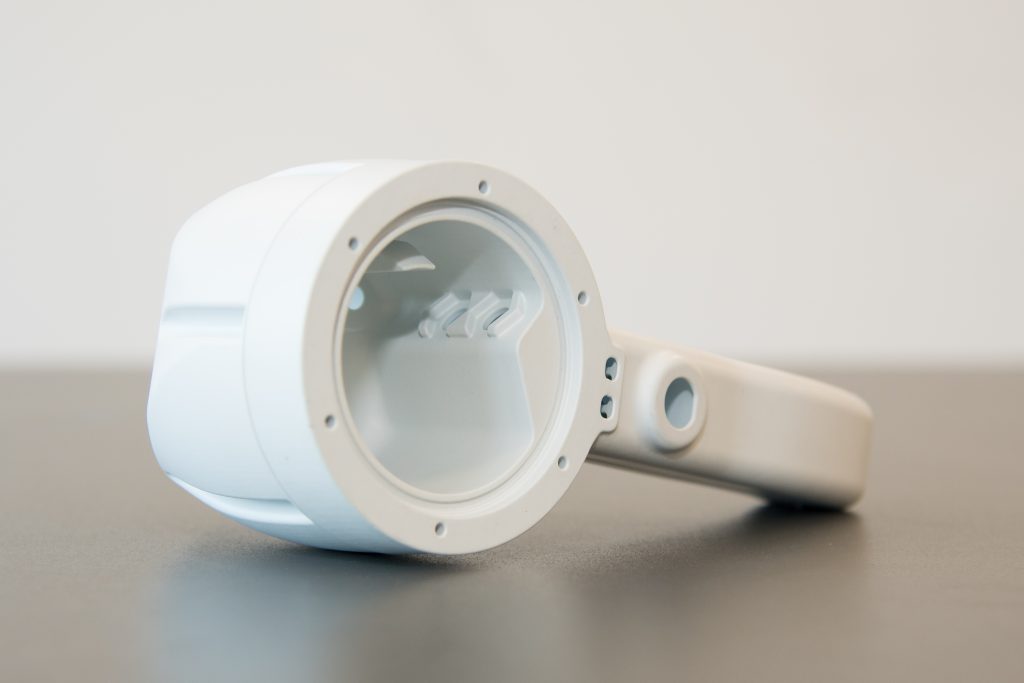
Functional prototypes and patient-specific devices produced with rapid turnarounds
Key applications: anatomical models, device housings, ergonomic tooling
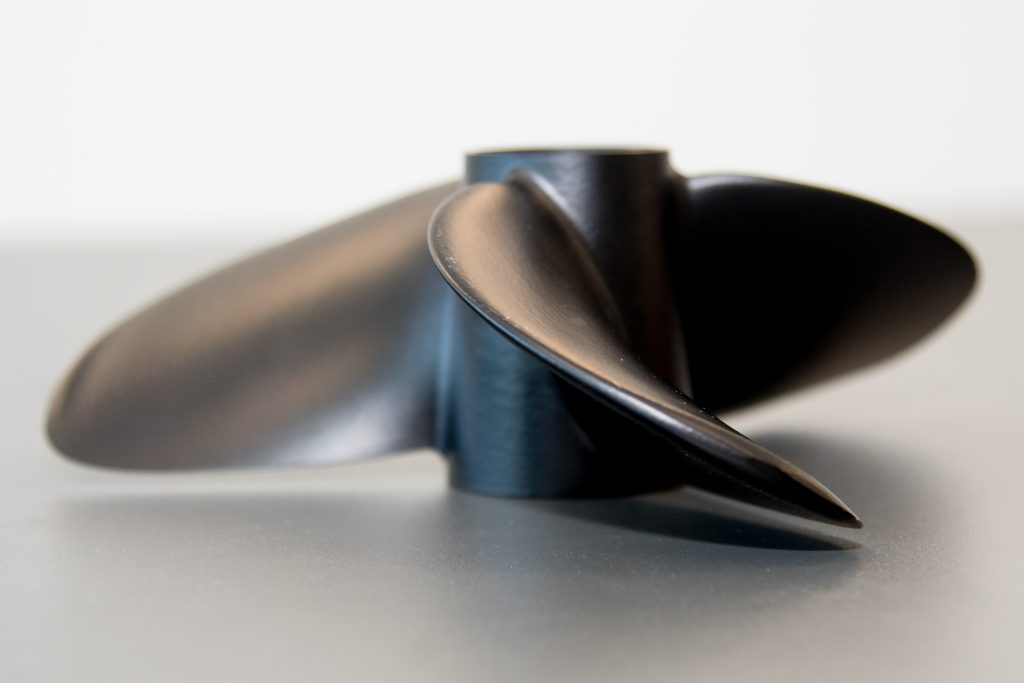
Durable custom components built for demanding marine environments
Key applications: enclosures, mounting brackets, protective covers
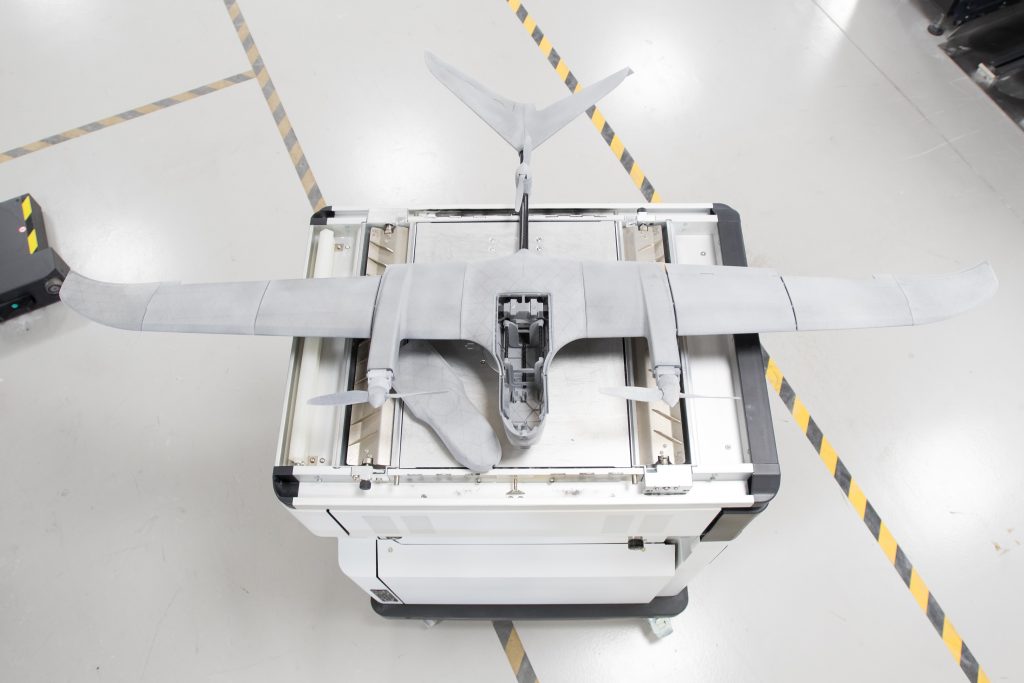
Rapid production of durable tooling and low-volume functional components
Key applications: field-ready prototypes, tactical equipment housings, manufacturing aids
The SLS 3D-printing process follows a precise, repeatable sequence within a controlled build chamber:
This selective laser sintering process produces parts with strong interlayer bonding and reliable performance across all axes.
SLS is a manufacturing-grade process. However, like any production method, it comes with practical constraints. Typical capabilities include:
Because parts are built within a powder bed, multiple components can be nested efficiently within a single build. This makes SLS printing service options highly cost-effective for batch production.
However, factors such as thermal stress, laser scan speed and part geometry can influence outcomes. Large flat surfaces or abrupt changes in section thickness may require design adjustments to minimise distortion.
SLS 3D printing can utilise a variety of materials, including thermoplastic elastomers (TPE), polyaryletherketones (PAEK) and polypropylene (PP).
SLS materials are typically high-performance thermoplastics in powder form, selected for their durability and versatility, and comparable to parts manufactured using conventional methods like injection moulding.
Common SLS materials include:
Typical SLS material properties:
SLS nylon is particularly popular due to its balance of strength, flexibility, and environmental resistance. It performs well in demanding applications such as housings, enclosures and interior components.
SLS and SLA (stereolithography) serve different purposes within additive manufacturing.
In short, SLA is typically used for appearance and precision, while SLS is preferred for performance and durability.
| SLS advantages | SLA advantages |
|---|---|
| No support structures required | Higher surface detail and smoother finish |
| Stronger, more durable parts | Ideal for visual models and fine features |
| Better suited to functional prototypes and end-use parts | |
| Superior heat and chemical resistance |
SLS and Multi Jet Fusion (MJF) are both powder bed technologies, but they differ in how energy is applied.
The bottom line: MJF is faster and can produce superior parts to SLS on a like-for-like basis. However, SLS allows for a broader choice of materials, making it the preferred option when specific mechanical properties are required.
| SLS | MJF |
|---|---|
| Uses a laser to trace each layer point-by-point | Uses agents and infrared energy across entire layers |
| Broader material range | Faster build speeds |
| Typically larger build volumes | More uniform thermal exposure |
| Slightly more variation in thermal distribution |
Designing for SLS printing can significantly reduce lead times and quoting friction. AMufacture partners can harness design optimisation support and advanced implicit modelling capabilities, accelerating iteration and delivering parts based on real-world data, not guesswork.
While exact limits depend on geometry and material, the following guidelines are widely accepted:
Because the SLS process uses loose powder as support, complex geometries such as internal channels, lattice structures and interlocking parts can be produced in a single build.
Achieving high dimensional accuracy in SLS can be challenging due to factors such as powder layer thickness and laser focus, which can affect the final part dimensions.
Yes. SLS printing supports both rapid prototyping and low-to-medium volume production by efficiently nesting multiple parts in a single powder bed.
Cost is influenced by part volume, material choice such as SLS nylon, packing density in the powder bed and any required post-processing.
SLS 3D printing typically produces stronger, more accurate parts with better mechanical properties than FDM. This often makes it more suitable for functional and production applications.
However, FDM offers different material options that may better suit your requirements. AMufacture can advise on materials and manufacturing processes to ensure the best fit for your project.
Selective Laser Sintering typically achieves around ±0.3% accuracy, delivering consistent mechanical properties suitable for functional parts.
With AMufacture’s best-in-class 3D printing fleet, you unlock more ways to deliver on production goals and bolster supply chain resilience.
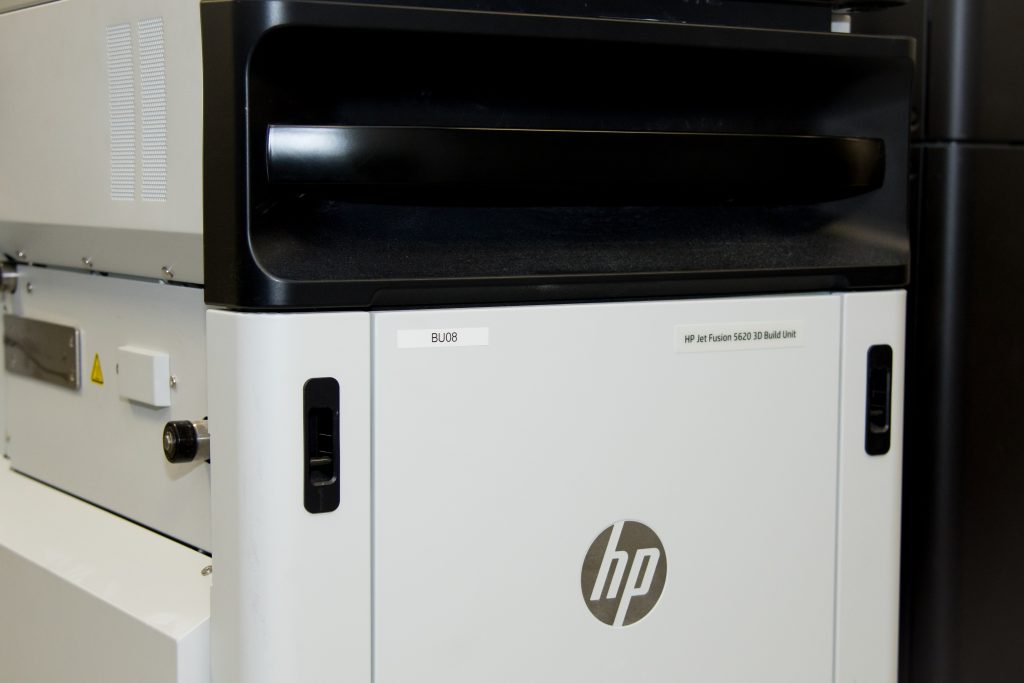
A powder-based process that uses fusing agents and thermal energy to produce strong, consistent parts with exceptional speed and batch-production efficiency.
Best for: end-use parts, scalable production, rapid iteration
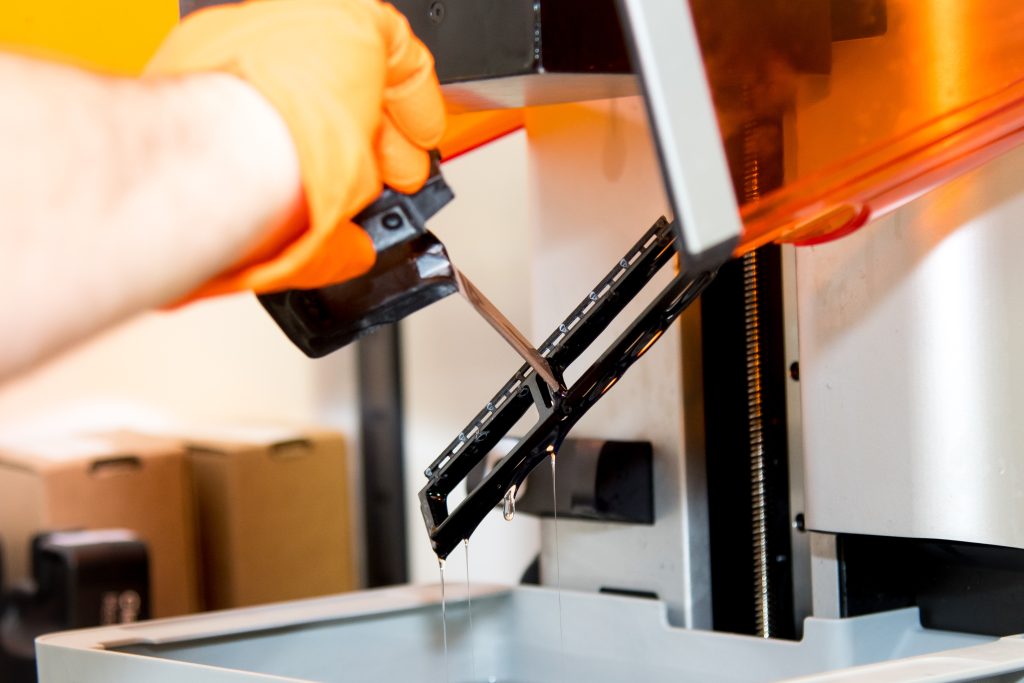
A resin-based process that harnesses project light to cure entire layers in one go, enabling rapid production of highly detailed parts.
Best for: fine detail, small parts, smooth finishes
A laser-based process that produces parts with exceptional surface quality and high accuracy.
Best for: accuracy, smooth finishes, visual prototypes
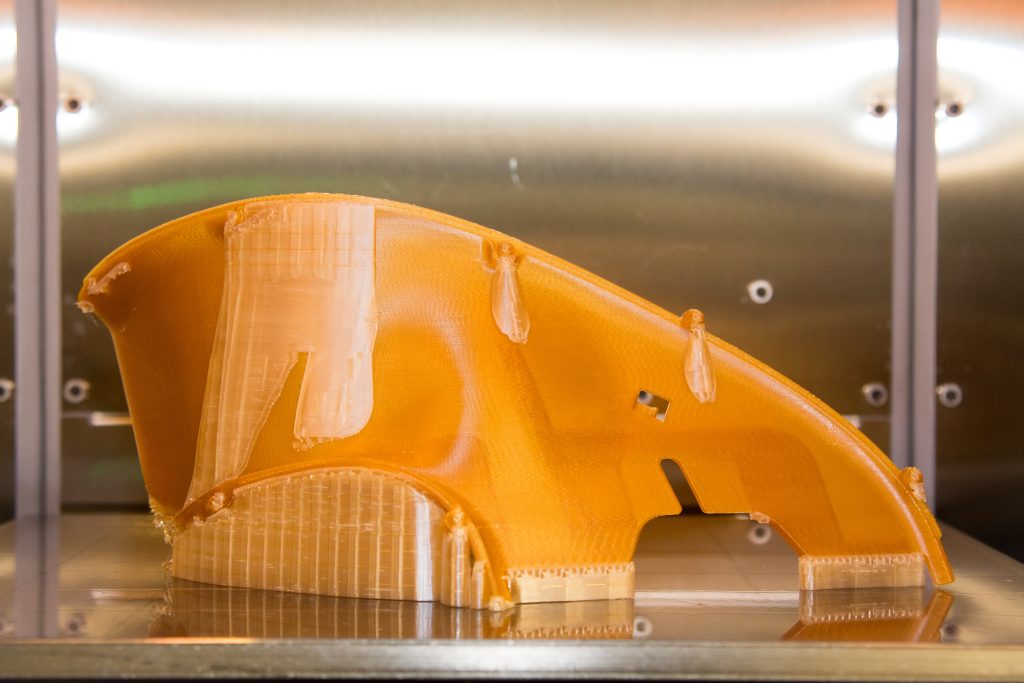
A material extrusion process that uses durable thermoplastics to build parts layer by layer.
Best for: large components, durability, tooling
If you have any questions about our services or would like to discuss your project with us, please don’t hesitate to contact us.
"*" indicates required fields