Fast
Achieve print speeds of up to 25 mm per hour with no compromise on accuracy

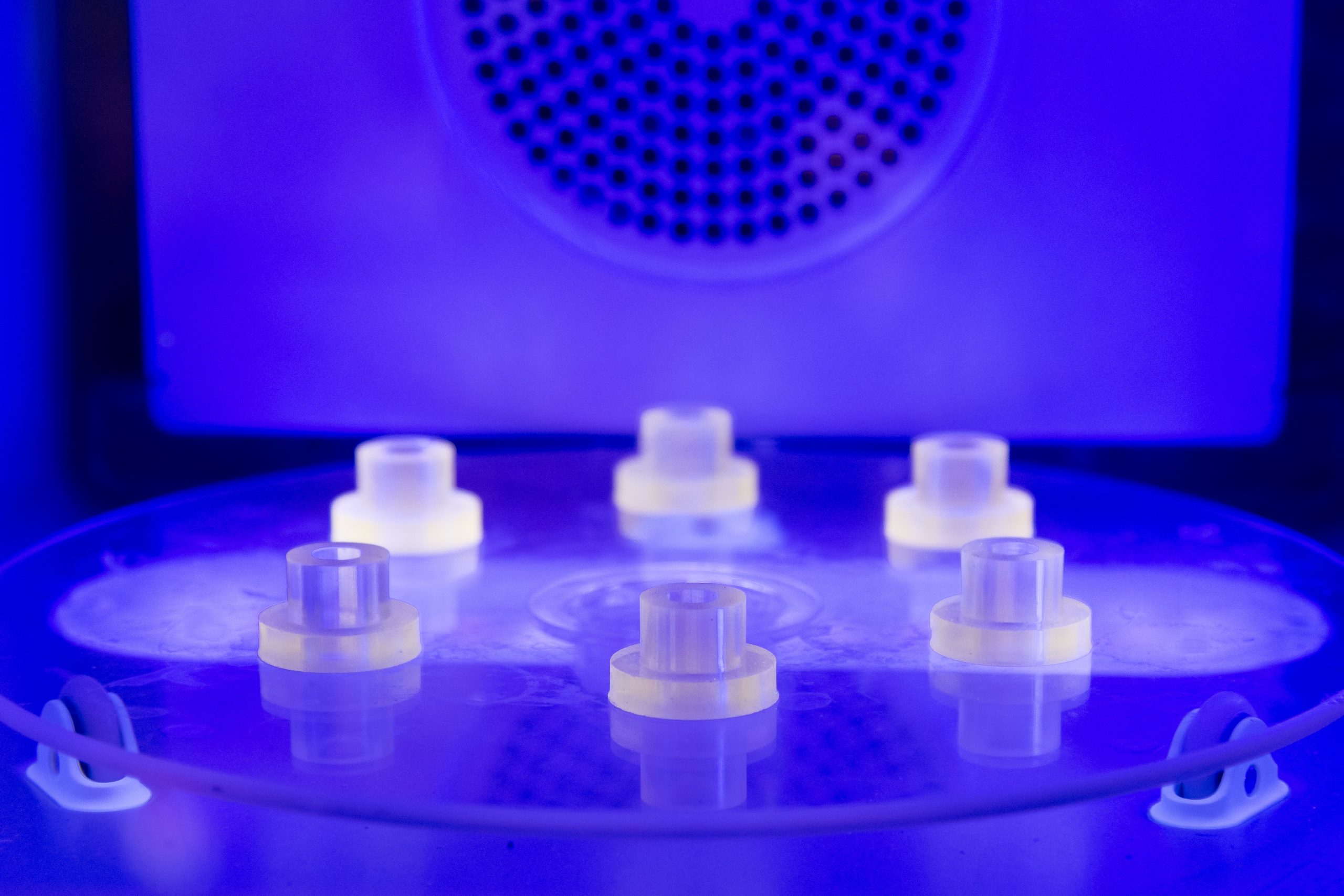
Known for its speed, accuracy and smooth surface finish, digital light processing (DLP) 3D printing is an additive manufacturing technology that uses projected light to cure liquid resin into solid parts. Integrated into AMufacture’s digital workflow, it becomes a powerful, on-demand capability for rapid prototyping, low-volume production and detailed components.
Achieve print speeds of up to 25 mm per hour with no compromise on accuracy
Create production-grade parts with fine feature details and exceptional surface quality
DLP maintains consistently fast build times, even with complex components
Harness our digital ecosystem for seamless collaboration, reordering and part traceability
Digital Light Processing (DLP) is a form of additive manufacturing that uses a digital light projector to cure liquid photopolymer resin layer by layer. Unlike point-based systems, DLP exposes an entire layer using a projected image, rather than tracing geometry with a laser.
Printing an entire layer at once is what defines DLP technology. Each resin layer is cured simultaneously using a digital micromirror device (DMD), which controls how light is projected onto the resin surface. The result is a significantly faster printing speed compared to technologies that rely on a moving light source.
In manufacturing, this matters for throughput. Build times are less dependent on part complexity and more dependent on part height. This makes DLP a great choice for batch production, where multiple components can be nested and produced in just a few hours without too much impact on cycle times.
As one of the earliest types of additive manufacturing, digital light processing is mature, trusted and highly developed. In its modern form, it is near-unrivalled for speed and accuracy, supporting rapid innovation and the efficient manufacture of production-grade or custom-fit components.
With AMufacture, DLP 3D printing is one function of a collaborative digital manufacturing ecosystem. We become your integrated manufacturing partner, delivering end-to-end support to ensure manufacturability, accelerate innovation and bolster operational resilience.
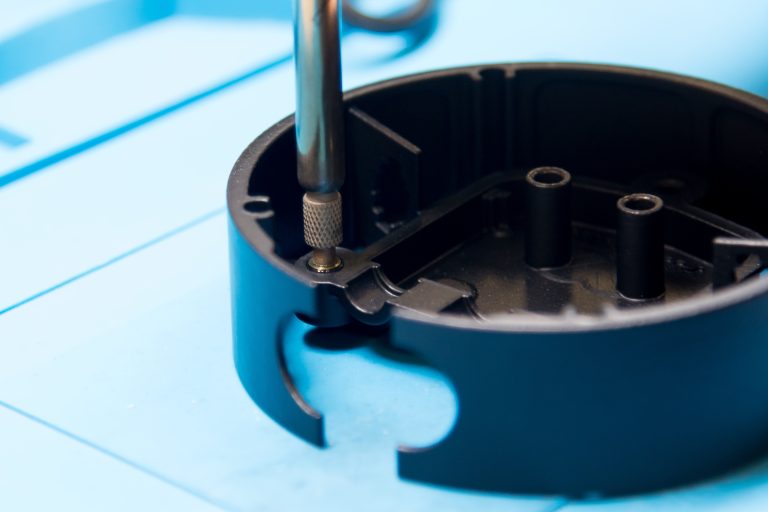
We are not just partners, we are collaborators. Our clients harness additive manufacturing expertise throughout the production cycle, from design optimisation to material selection and repeat ordering.
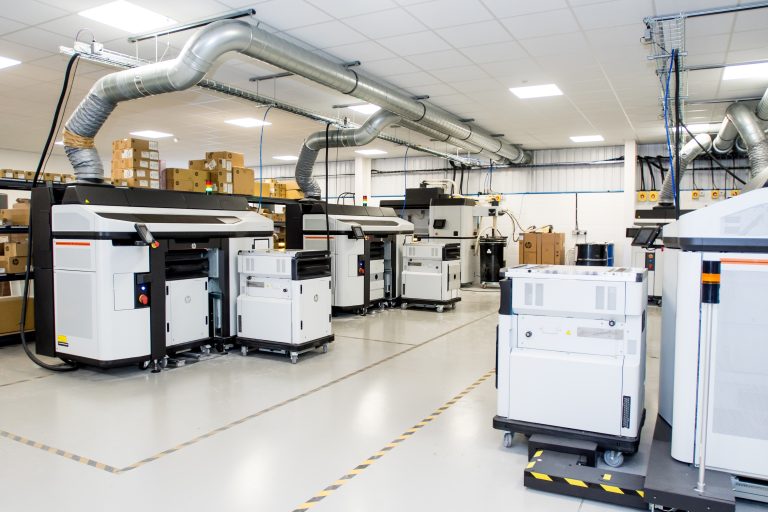
We invest in your innovation. Our in-house production capabilities are unrivalled in the UK, offering 24/7 manufacturing capacity supported by a fleet of cutting-edge 3D printing and post-processing technologies.
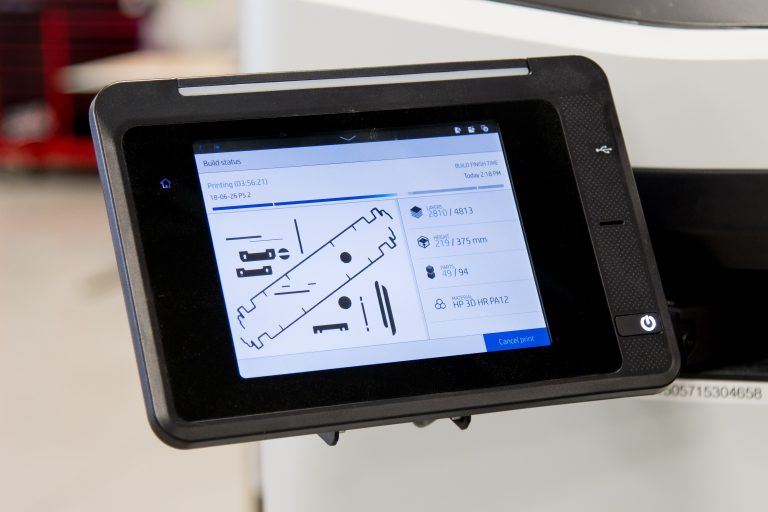
Our digital infrastructure enables agile collaboration, full part traceability and seamless reordering through your secure Digital Warehouse. For you, that translates to rapid iteration and scalable on-demand manufacturing workflows.

AMufacture’s DLP printing capabilities are backed by a wide range of in-house post-processing and finishing services. With our experts handling the entire process, DLP becomes a turnkey solution for rapid production, taking you from CAD file to finished component in a matter of hours or days.
As standard, DLP printed parts undergo several post-processing steps. These steps are essential to achieving production-ready parts with consistent performance:
Finishing options can range from as-printed surfaces to polished, coated or painted components. These choices directly affect lead time and cost.
Parts are delivered inspection-ready or assembly-ready, depending on requirements. Secondary operations such as bonding, inserts or machining can also be integrated.
DLP 3D printing is ideal for producing high-performance parts in industries where speed, detail and repeatability are critical.
As an AMufacture partner, you unlock cross-industry expertise to ensure a smooth and cost-efficient process from end to end.
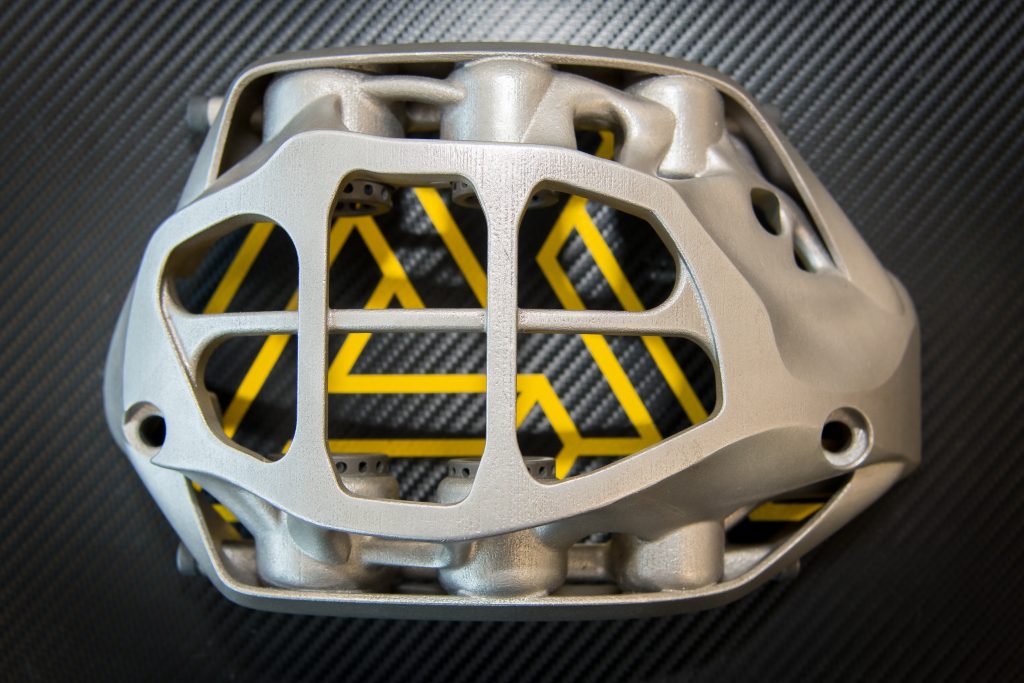
High-detail prototypes and interior components for accelerated automotive development
Key applications: interior components, prototypes, lighting housings

Precision prototypes and lightweight components for rapid aerospace design iteration
Key applications: lightweight brackets, ducting prototypes, tooling
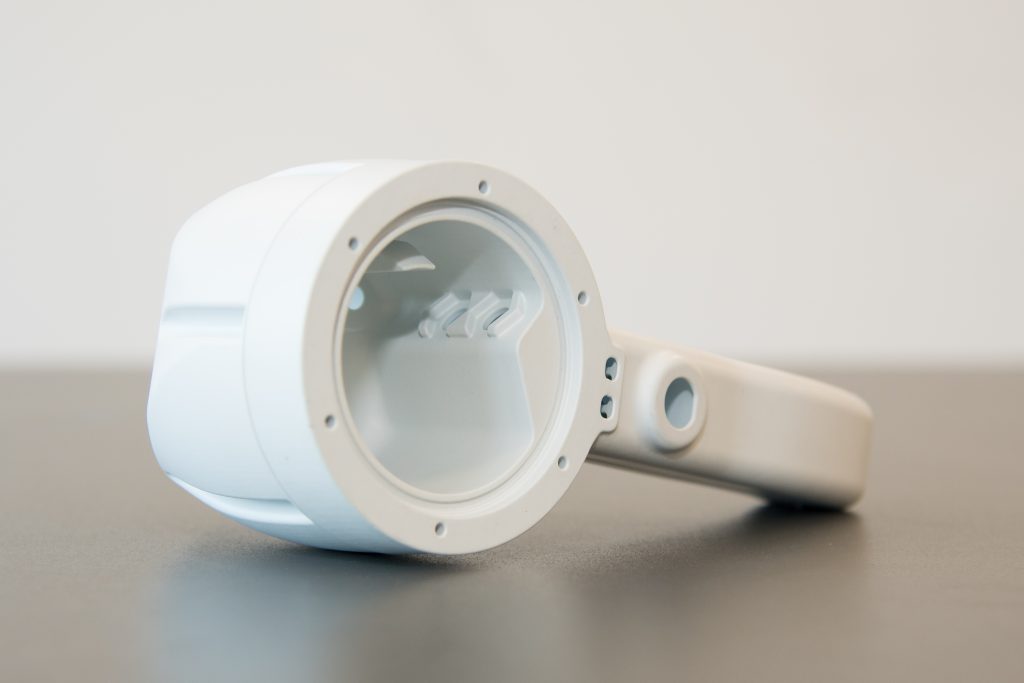
Patient-specific medical components produced with exceptional accuracy and repeatability
Key applications: surgical guides, dental models, device housings
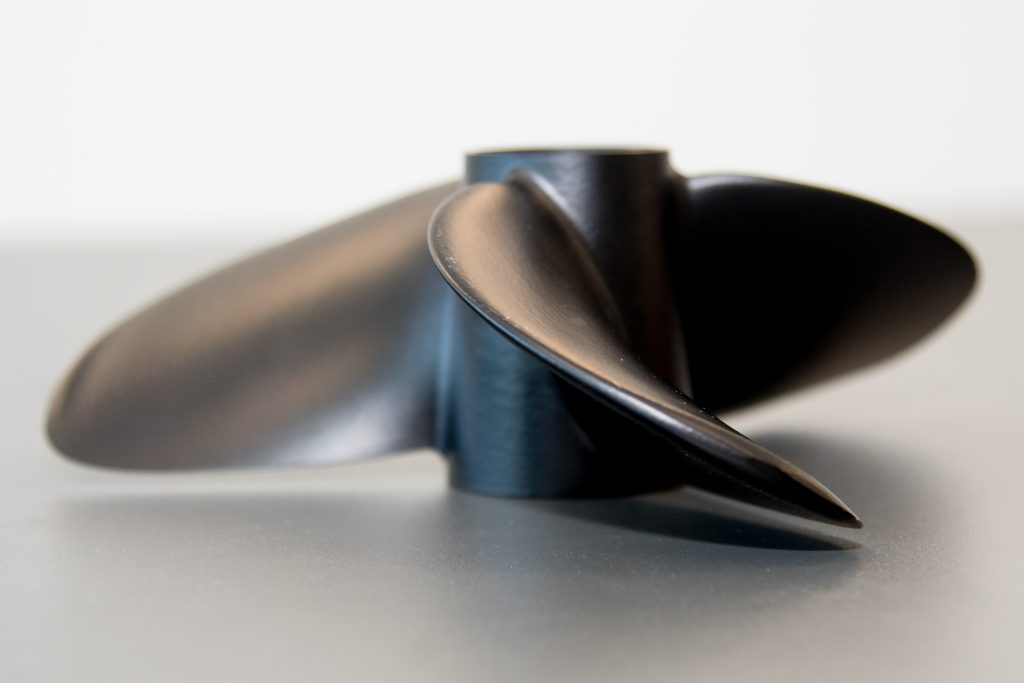
Custom marine fittings and sealed components with excellent surface quality
Key applications: sealed components, custom fittings
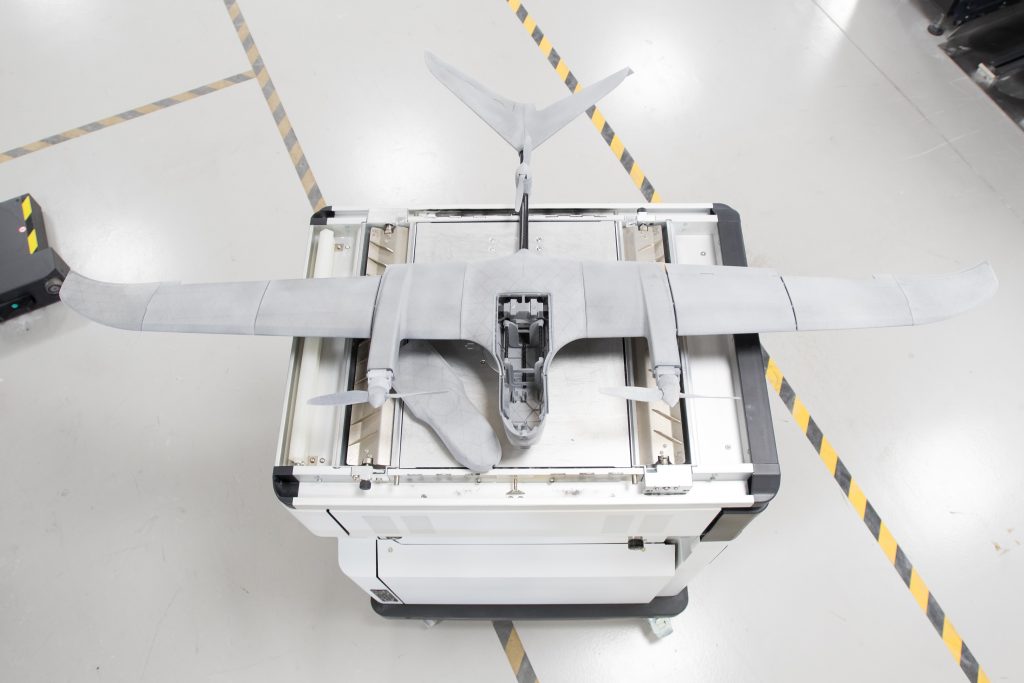
Rapid production of low-volume components for mission-specific defence applications
Key applications: rapid prototyping; specialised low-volume parts that require a specific mechanical property (e.g. ESD)
The DLP 3D printing process is highly structured and repeatable:
DLP is a precision-led manufacturing process. However, like all additive manufacturing technologies, it operates within defined constraints.
| Build envelope and geometry | Layer thickness and accuracy | Lead times and turnaround |
|---|---|---|
| Typical build volumes are smaller than powder-based systems, making DLP best suited to small-to-medium components. | Layer thickness: typically 25 to 100 microns | DLP printers offer fast turnaround, delivering parts in just a few hours to a few days. However, lead time is influenced by many factors such as those below |
| Complex geometries are achievable, but support structures are required for overhangs and internal features. | High accuracy: often within ±0.1 to 0.2 mm depending on geometry | Part height (number of layers) |
| Resolution: defined by projector pixel size rather than laser spot size | Quantity and nesting strategy | |
| This results in excellent surface finish and fine feature reproduction | Support requirements | |
| Post-processing complexity | ||
| Parts requiring extensive finishing or tight tolerances will naturally take longer |
DLP uses liquid photopolymer resins, each engineered for specific performance characteristics.
Material choice directly impacts mechanical performance, surface finish, and post-processing requirements. For most applications, selecting the right resin is as important as the design itself. This is typically addressed during consultation.
DLP and SLA (stereolithography) are closely related, but differ in how they deliver light.
DLP uses a digital projector to cure entire layers, with the light produced by a more conventional source (such as an arc lamp). SLA, by contrast, uses a laser to trace each layer point by point.
This makes DLP more efficient for batch production, with DLP printers achieving print speeds of up to 25 mm/hour, significantly faster than other methods. However, SLA can offer advantages for certain geometries.
In practice, the right choice depends on part size, geometry and production requirements. All these factors will be assessed during project scoping.
Designing for DLP reduces production risk and improves lead times.
When you partner with AMufacture, we can help with design optimisation, ensuring all parts are manufacturable before production begins.
Yes. DLP’s printing process, dimensional accuracy and high-performance materials are often chosen specifically for particular resin properties. For example, medical-grade materials used in DLP printing are certified according to relevant regulatory requirements and standards.
While both use a projected light source to cure liquid resin, DLP printing has a faster printing speed, superior surface finish and higher accuracy. DLP is more mature than LCD technology and is based on components that are generally more reliable and long-lasting.
Moreover, DLP printers can manage a wider variety of materials compared to LCD printers, which are often limited in material compatibility. However, DLP technology can be more expensive than LCD 3D printers for similar performance.
LP chips achieve higher contrast ratios than standard LCDs, resulting in improved image quality. DLP technology is known for its high precision and fine detail, achieving print resolutions as small as 50 microns.
With AMufacture’s best-in-class 3D printing fleet, you unlock more ways to deliver on production goals and bolster supply chain resilience.
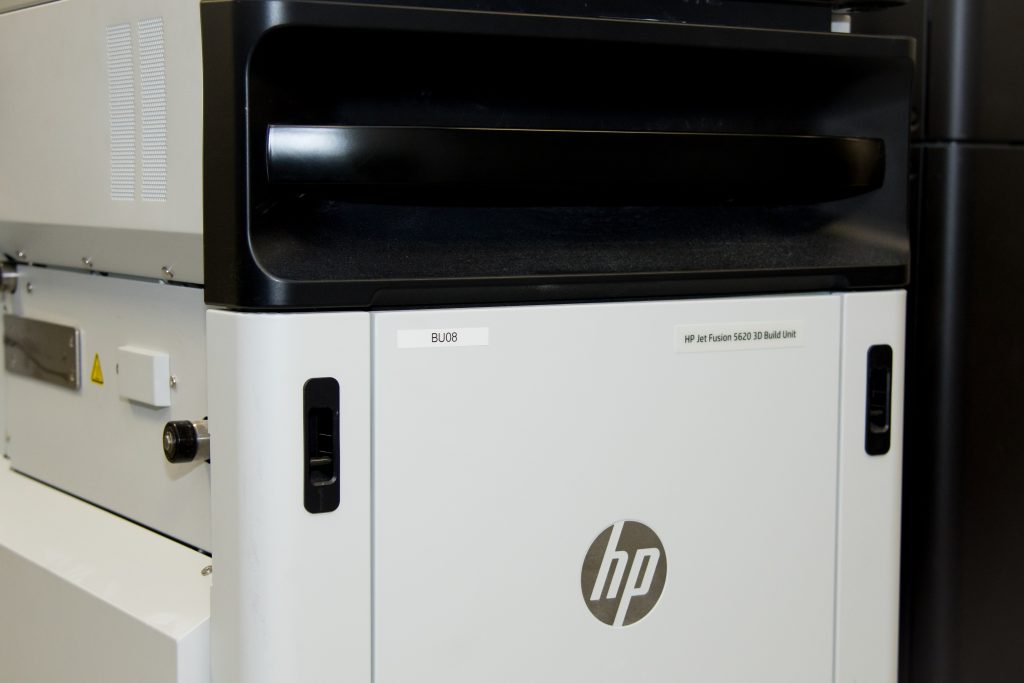
A powder-based process that uses fusing agents and thermal energy to produce strong, consistent parts with exceptional speed and batch-production efficiency.
Best for: end-use parts, scalable production, rapid iteration
A powder-based process that uses a laser to fuse nylon materials into strong, functional parts without support structures.
Best for: large components, lighter colours, small production runs
A laser-based process that produces parts with exceptional surface quality and high accuracy.
Best for: accuracy, smooth finishes, visual prototypes
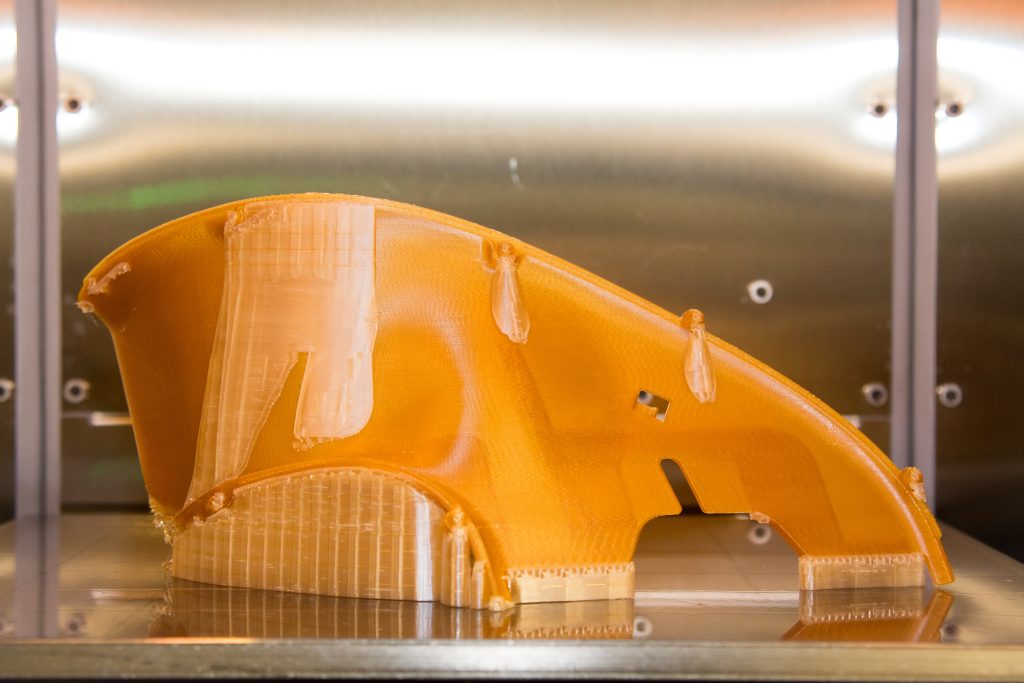
A material extrusion process that uses durable thermoplastics to build parts layer by layer.
Best for: large components, durability, tooling
If you have any questions about our services or would like to discuss your project with us, please don’t hesitate to contact us.
"*" indicates required fields