Durable
Produce robust thermoplastic parts suited to functional and industrial applications


Fused deposition modelling (FDM) 3D printing is a versatile additive manufacturing technology that uses engineering-grade thermoplastics to produce durable, functional parts layer by layer.
Combined with AMufacture’s integrated digital manufacturing ecosystem, FDM becomes a cost-effective, on-demand capability for rapid prototyping, tooling and low-volume production.
Produce robust thermoplastic parts suited to functional and industrial applications
Reduce tooling costs and accelerate development with efficient additive manufacturing
Manufacture everything from one-off prototypes to large-format production aids
Harness AMufacture’s digital workflow for seamless collaboration and repeatability
FDM 3D printing remains one of the most practical and cost-effective additive manufacturing technologies for functional prototypes, tooling and low-volume production.
Its combination of durable materials, scalable build sizes and relatively low production costs makes it ideal for industrial workflows where speed and flexibility matter.

FDM printing supports engineering-grade materials such as ABS, ASA, PETG, nylon and carbon fibre-filled composites. These materials provide excellent durability and functional performance for demanding environments.
Compared to other additive manufacturing technologies, FDM offers relatively low material and machine costs. This makes it ideal for rapid prototyping, manufacturing aids and low-risk product development.
Industrial FDM systems can produce significantly larger components than many resin-based or powder-bed technologies, enabling the manufacture of enclosures, tooling and oversized prototypes in a single build.
Without the need for tooling, FDM supports rapid iteration and agile product development. Design changes can be implemented immediately, accelerating testing and validation workflows.
At AMufacture, FDM is fully integrated into a digitally enabled manufacturing ecosystem designed for speed, repeatability and operational resilience.
We become an extension of your workflow, supporting every stage of production from design optimisation to fulfilment.
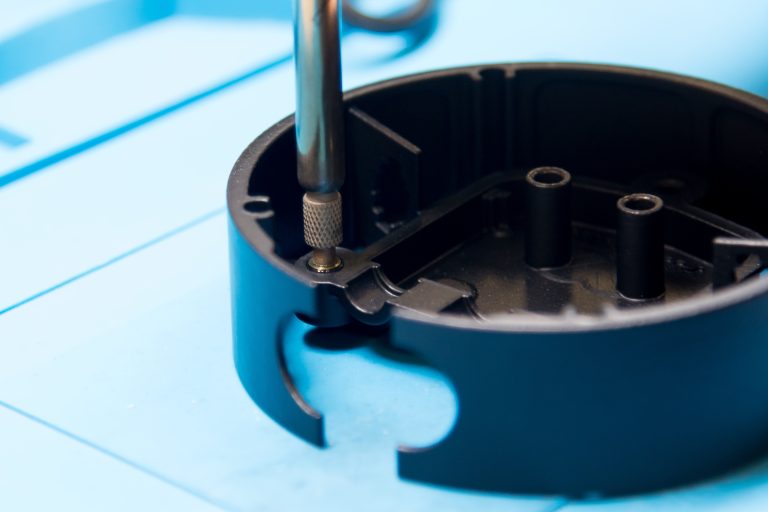
We work collaboratively with clients throughout the production cycle, offering support with design optimisation, material selection, production planning and repeat ordering.
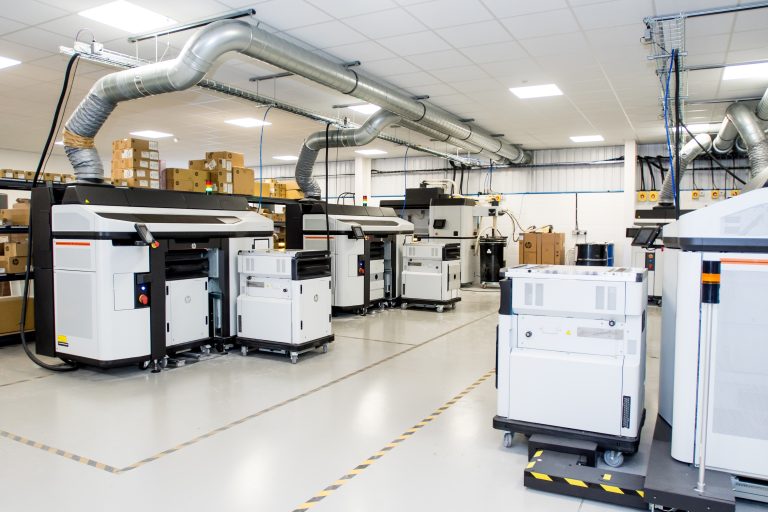
AMufacture invests continuously in advanced additive manufacturing technologies and post-processing infrastructure, enabling flexible production capabilities tailored to real-world industrial requirements.
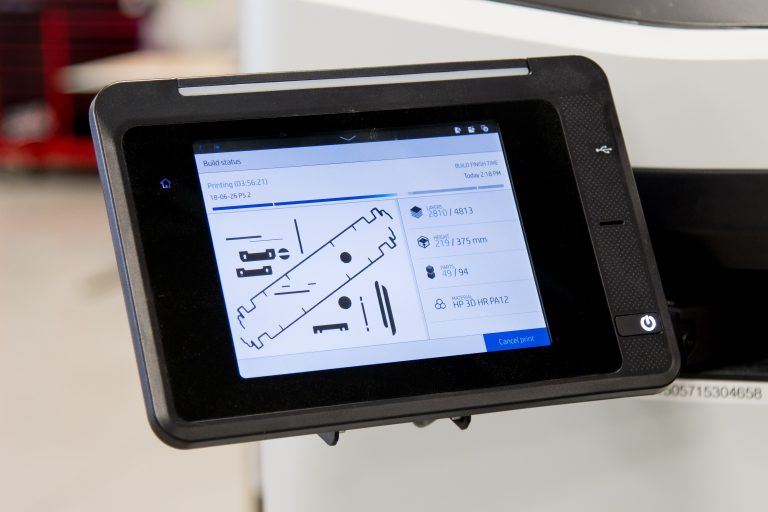
Our secure digital infrastructure enables agile collaboration, full part traceability and seamless repeat production through your Digital Warehouse.

Compared to some other forms of 3D printing, fused deposition modelling has minimal finishing requirements for functional applications. However, post-processing can significantly improve appearance, dimensional accuracy and end-use performance.
As your end-to-end additive manufacturing partner, AMufacture offers a range of in-house finishing and assembly services to support production-ready outcomes.
Typical FDM post-processing steps include:
Additional finishing options include painting, coating and vapour smoothing, depending on the material and application.
FDM 3D printing supports manufacturers across industries where durability, rapid iteration and cost-efficient production are critical.
With AMufacture as your partner, additive manufacturing becomes a scalable capability embedded directly into your workflow.
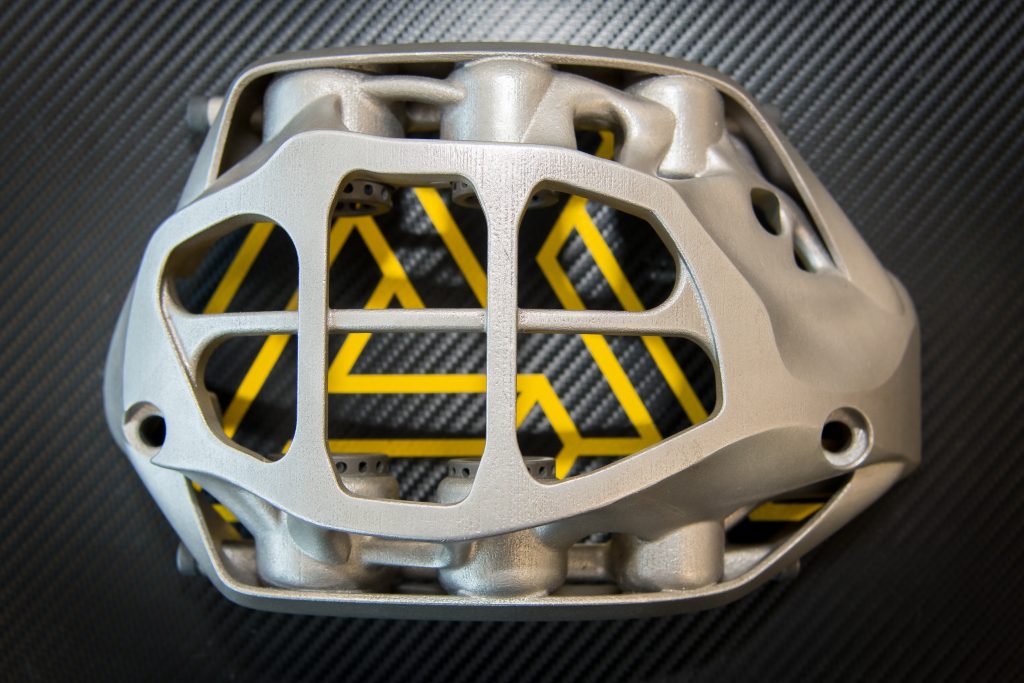
Rapid production of durable tooling and low-volume functional components
Key applications: field-ready prototypes, tactical equipment housings, manufacturing aids

Lightweight thermoplastic components and tooling for aerospace manufacturing workflows
Key applications: tooling, brackets, prototypes, interior assemblies
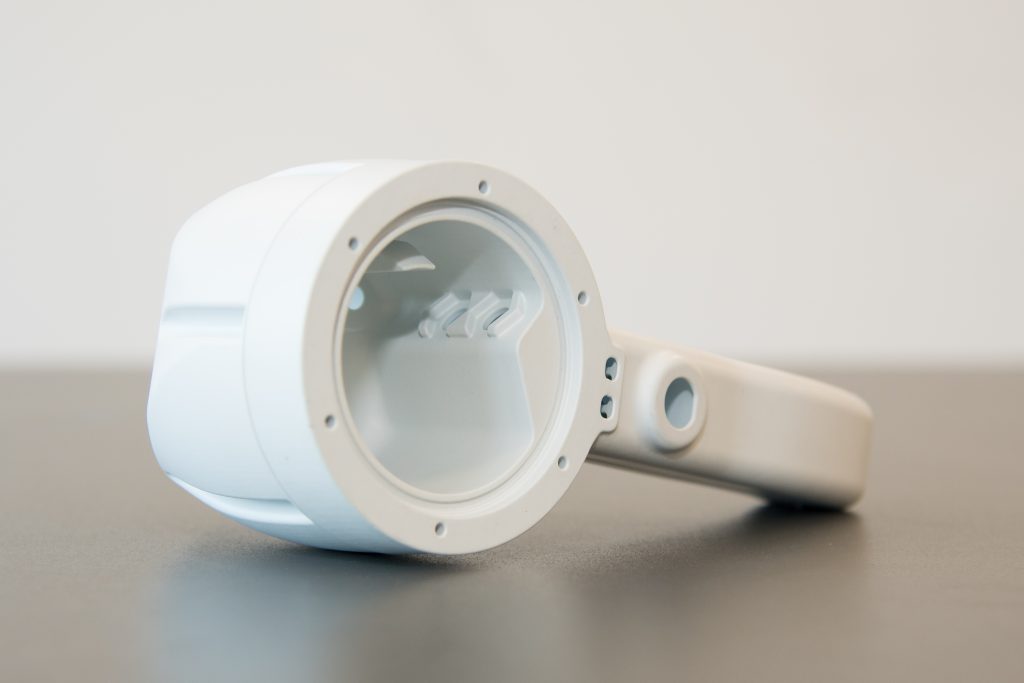
Functional prototypes and patient-specific devices produced with rapid turnarounds
Key applications: anatomical models, device housings, ergonomic tooling
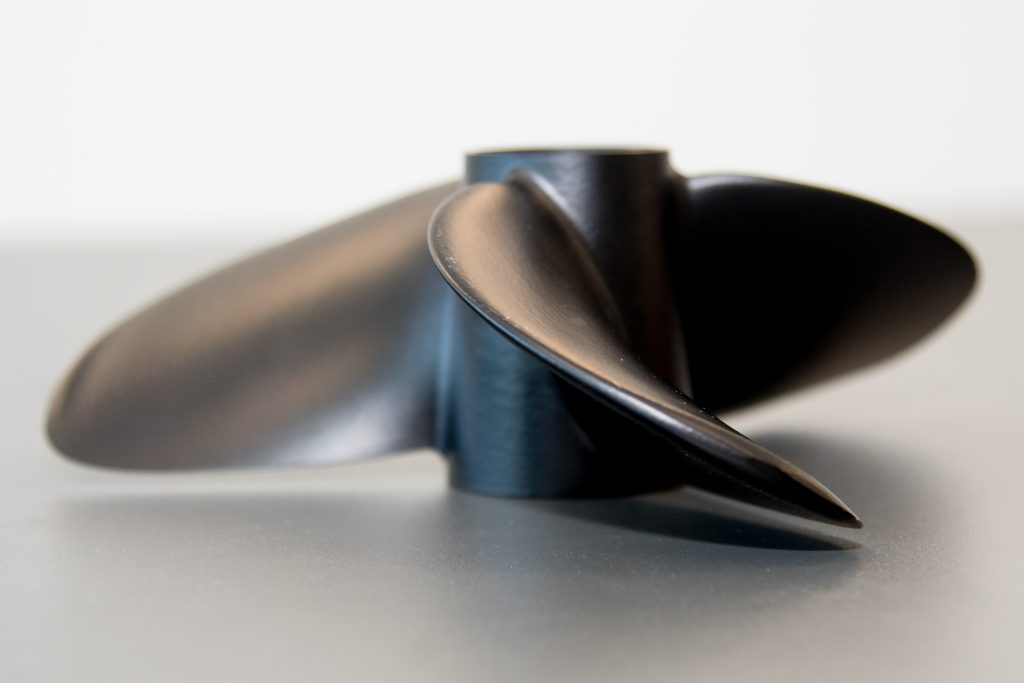
Durable custom components built for demanding marine environments
Key applications: enclosures, mounting brackets, protective covers
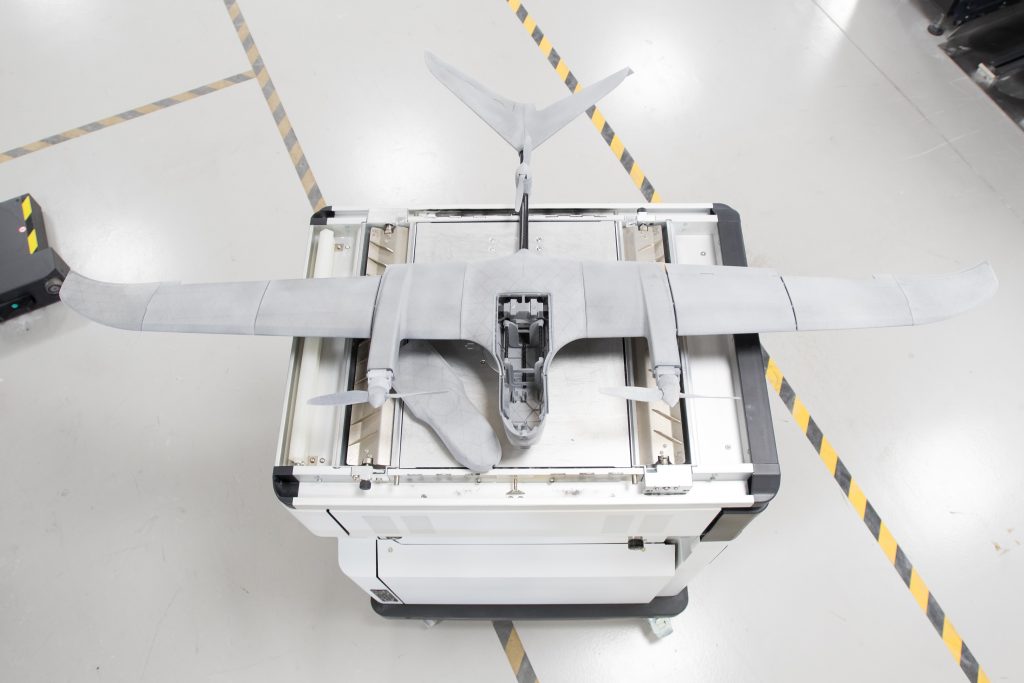
Durable custom components built for demanding marine environments
Key applications: enclosures, mounting brackets, protective covers

The FDM 3D printing process follows a structured, repeatable workflow:
Because the process relies on thermoplastic extrusion, FDM can produce robust parts suitable for functional testing, tooling and end-use applications.
FDM printing is one of the most versatile and accessible additive manufacturing technologies available today. However, like all manufacturing methods, it involves trade-offs.

FDM and SLA are both widely used additive manufacturing technologies, but they serve different manufacturing priorities.
FDM uses heated thermoplastic filament extruded through a nozzle, while SLA uses a UV laser to cure liquid resin layer by layer.
In practice, FDM is generally preferred for durability, affordability and functional applications. SLA, meanwhile, excels in precision, aesthetics and surface finish.
FDM is a highly flexible manufacturing process, though performance varies depending on machine type, material and geometry.
FDM supports one of the broadest material ranges within additive manufacturing.
Common FDM materials include:
Material selection directly affects durability, heat resistance, chemical resistance and surface finish. Choosing the right thermoplastic is critical to achieving optimal performance.
Designing specifically for FDM improves manufacturability, reduces print failures and accelerates production.
AMufacture supports clients with design optimisation and manufacturability reviews to ensure parts are production-ready before printing begins.
Fused deposition modelling (FDM) and fused filament fabrication (FFF) refer to essentially the same printing process. ‘FDM’ is a trademarked term originally developed by Stratasys. ‘FFF’ is the broader industry term used to describe material extrusion printing technologies.
Yes, Selective laser sintering (SLS) typically achieves tighter tolerances, finer feature resolution and more consistent dimensional accuracy than FDM. This makes SLS better suited to highly detailed or production-grade functional components.
In many cases, yes. SLS parts generally offer more consistent mechanical properties across all axes and stronger interlayer bonding. However, FDM can still produce highly durable parts depending on the material used and the design requirements.
The answer depends on the application. FDM can be very fast for simple prototypes and large single parts, while SLS is typically faster and more efficient for batch production because multiple parts can be nested within a single powder bed build.
With AMufacture’s best-in-class 3D printing fleet, you unlock more ways to deliver on production goals and bolster supply chain resilience.
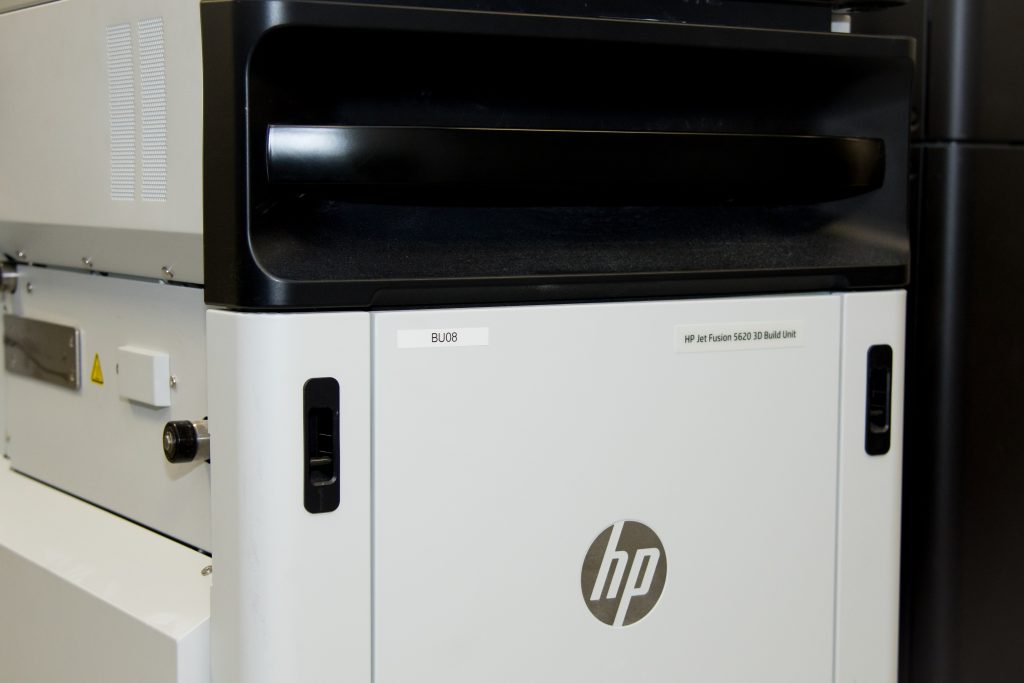
A powder-based process that uses fusing agents and thermal energy to produce strong, consistent parts with exceptional speed and batch-production efficiency.
Best for: end-use parts, scalable production, rapid iteration
A powder-based process that uses a laser to fuse nylon materials into strong, functional parts without support structures.
Best for: large components, lighter colours, small production runs
A laser-based process that produces parts with exceptional surface quality and high accuracy.
Best for: accuracy, smooth finishes, visual prototypes
If you have any questions about our services or would like to discuss your project with us, please don’t hesitate to contact us.
"*" indicates required fields